

Inclusive service delivery Africa (ISDA)
Overview
The Transparency International Secretariat (TI-S) and the Transparency International chapters in Democratic Republic of Congo, Ghana, Madagascar, Rwanda and Zimbabwe, in partnership with Transparency International Canada and the Transparency International Global Thematic Network Initiative on Health (GTNI) on Health, are implementing the project “Inclusive Service Delivery Africa” from 2022 to 2026, with funding from Global Affairs Canada (GAC).
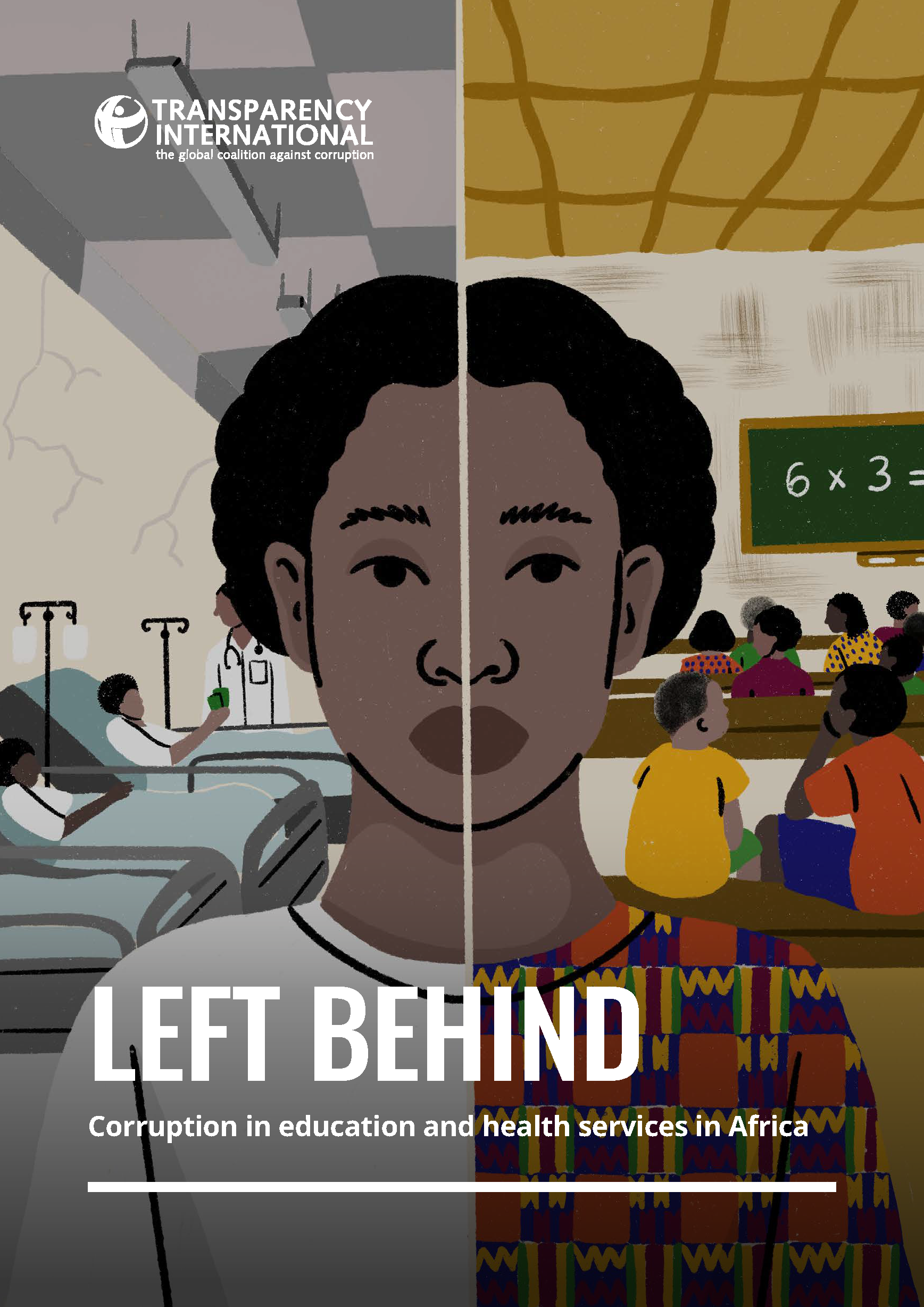
According to Transparency International's Global Corruption Barometer – Africa 2019, one in four users of public services paid a bribe. This issue is especially damaging to women, girls and groups at risk of discrimination, who often rely more heavily on public services.
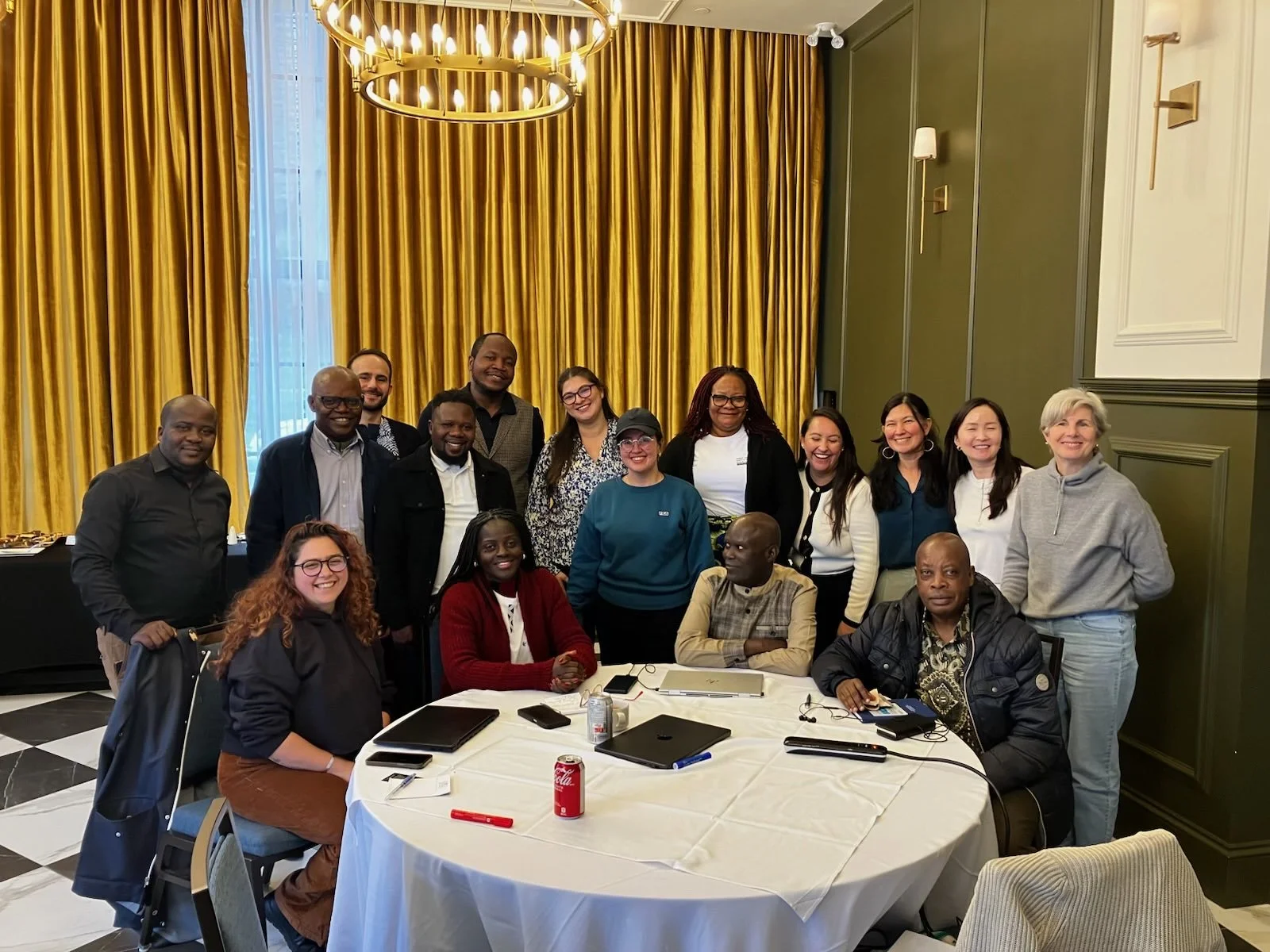
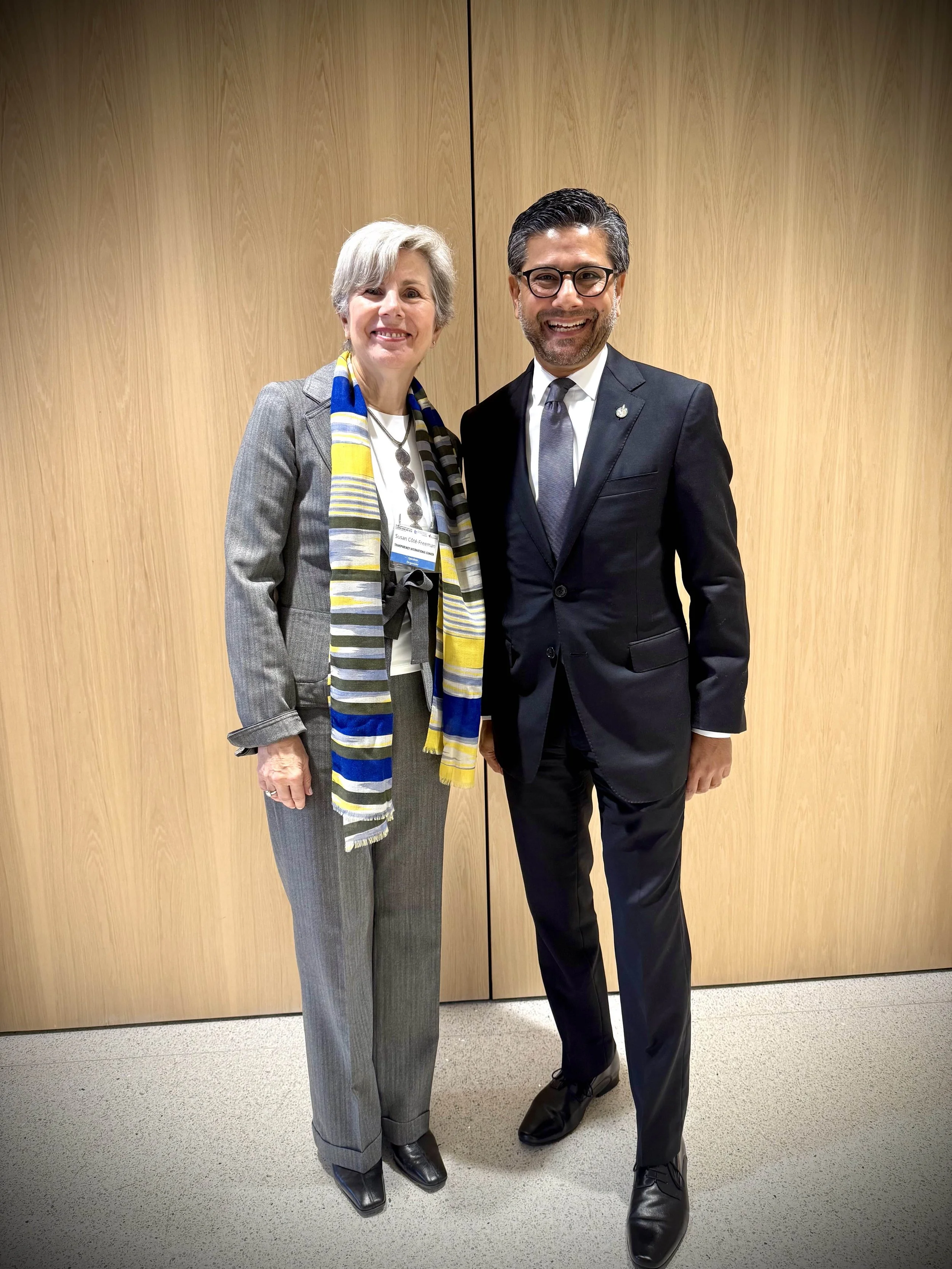
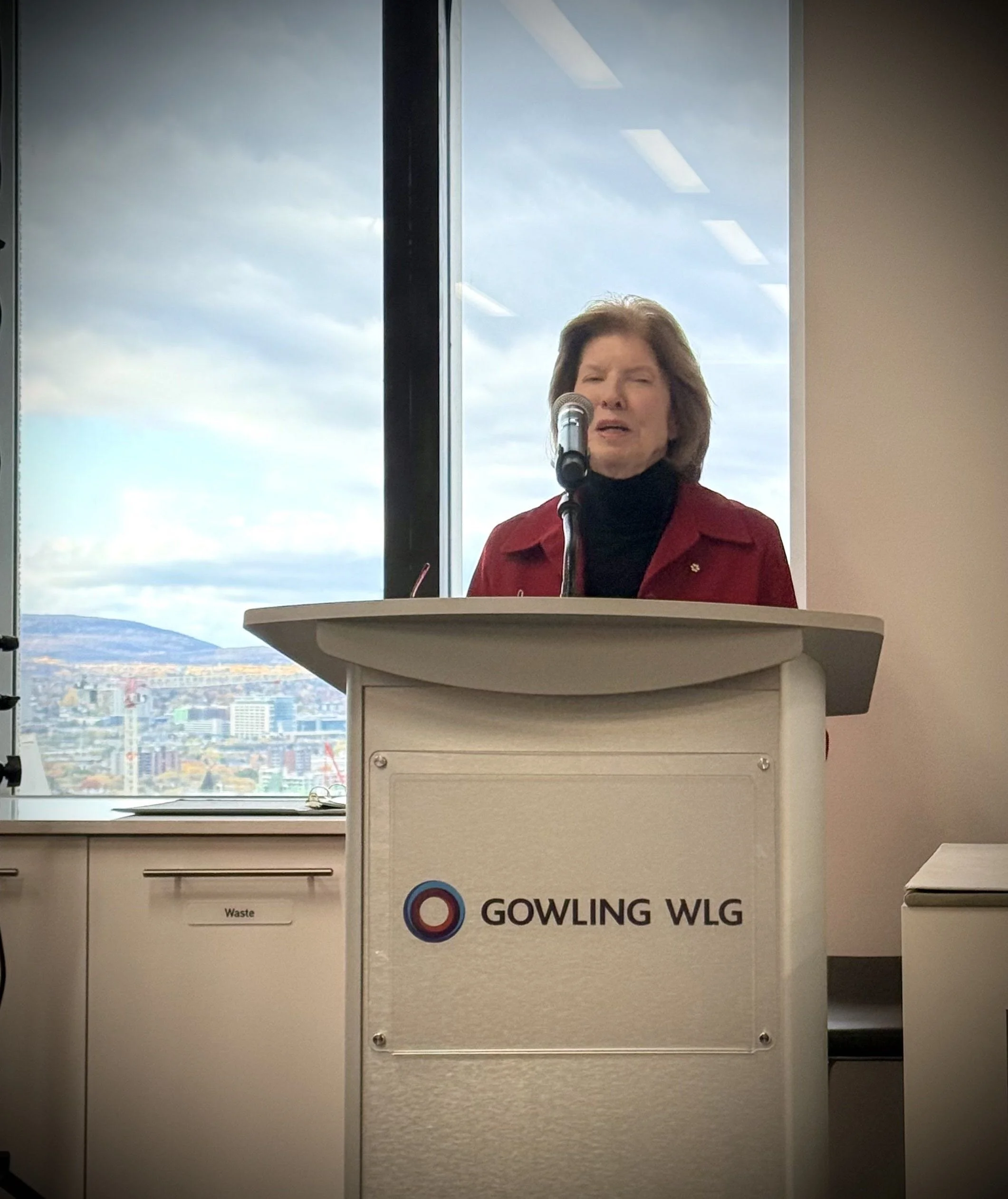
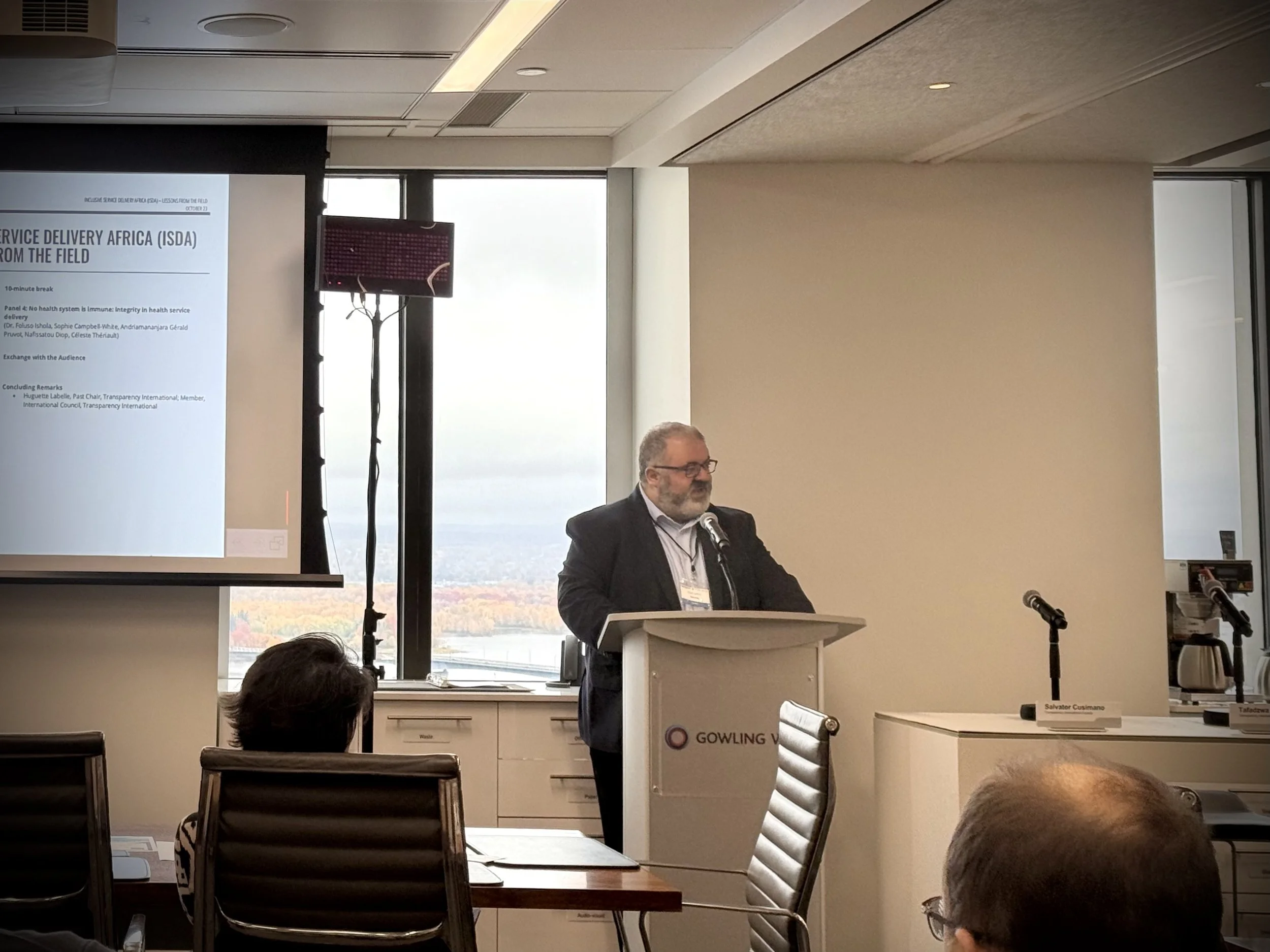
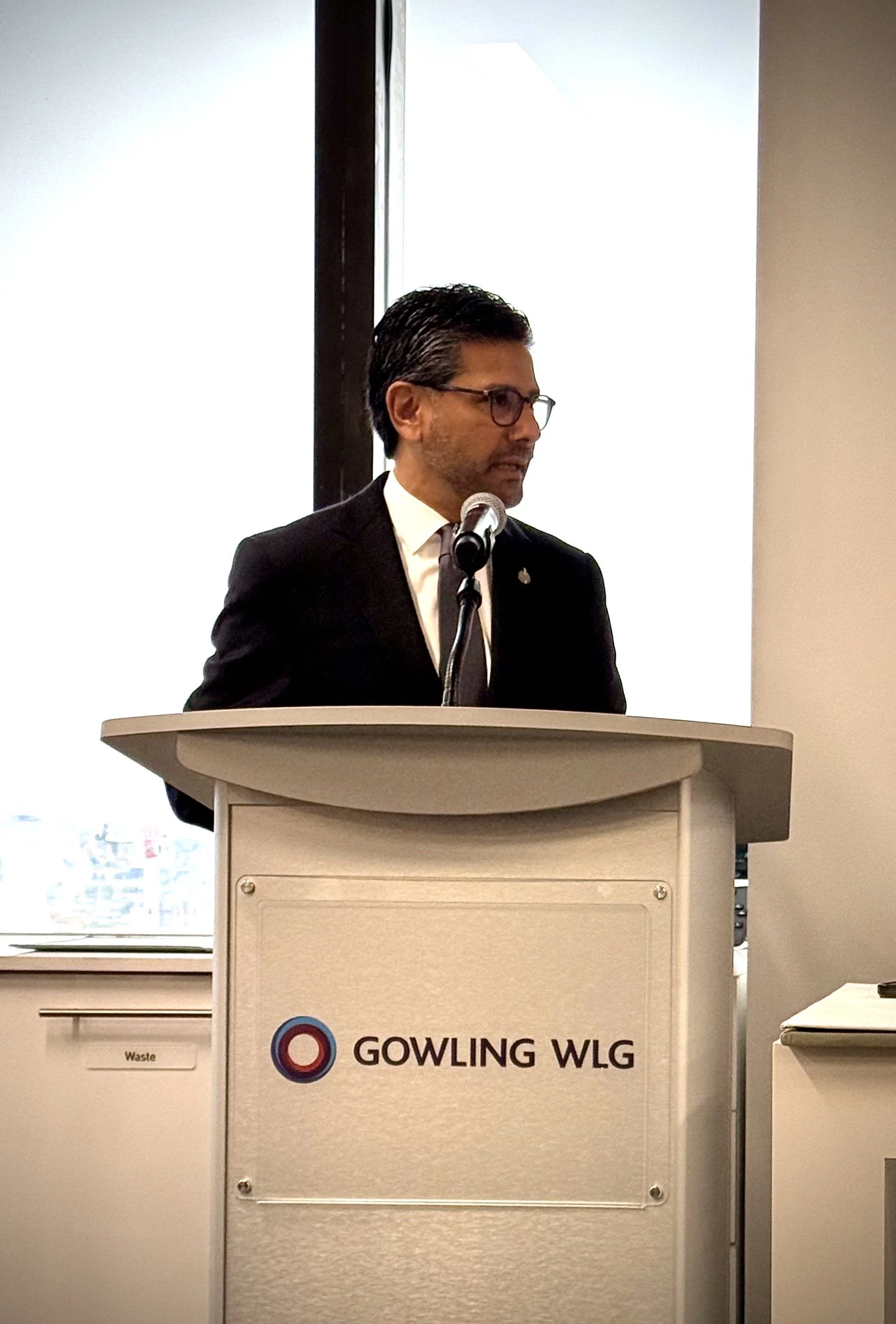
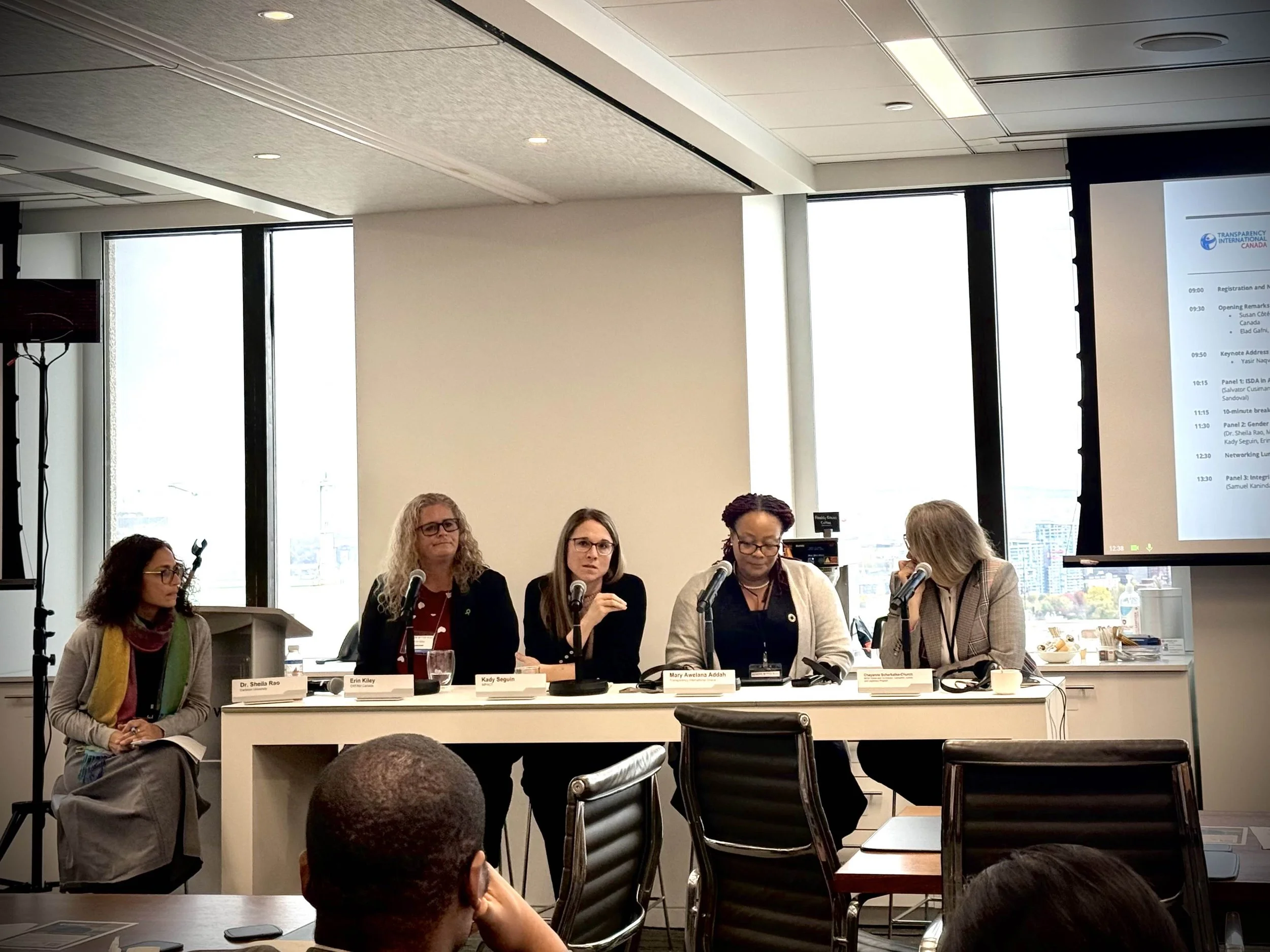
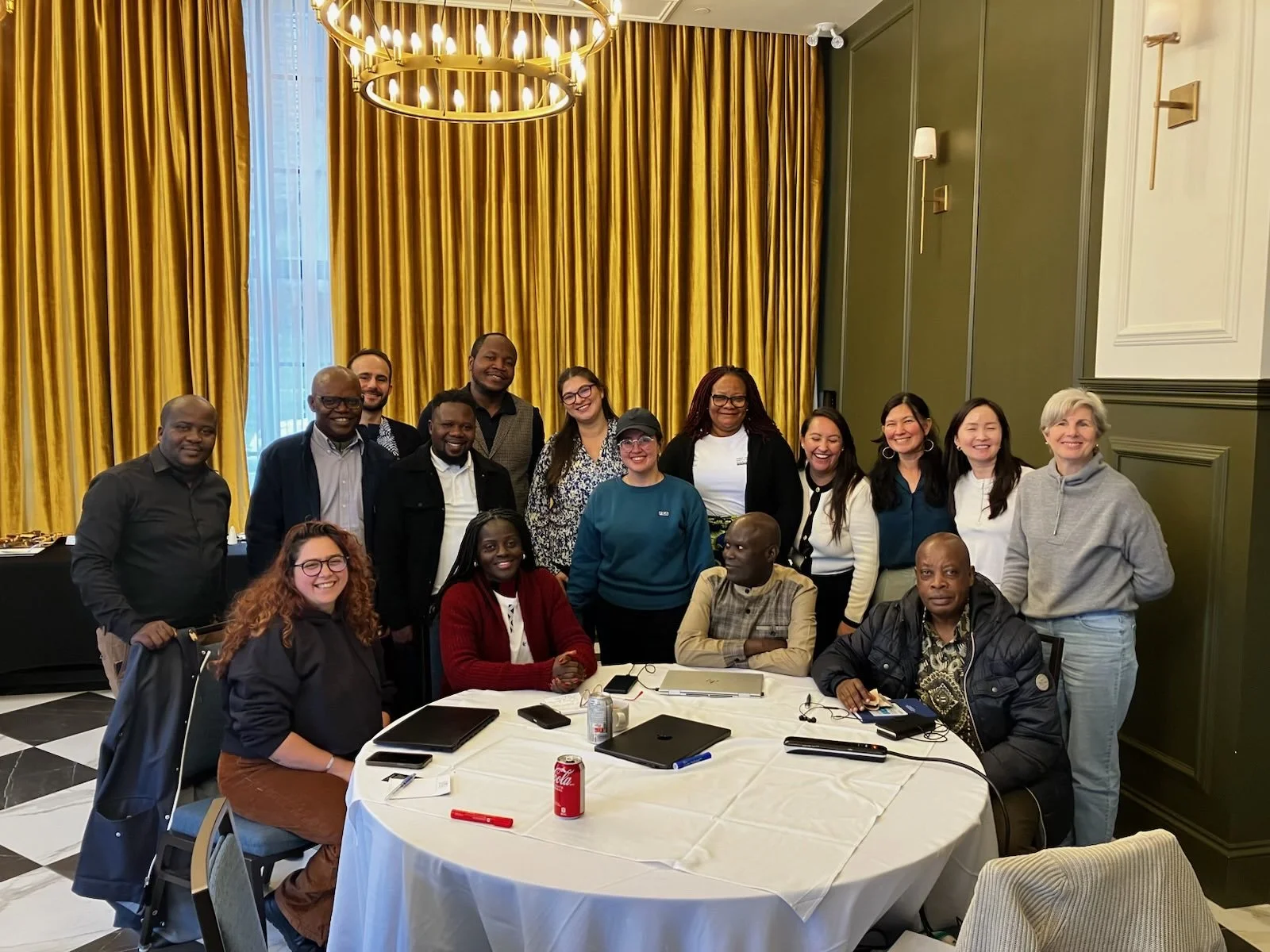
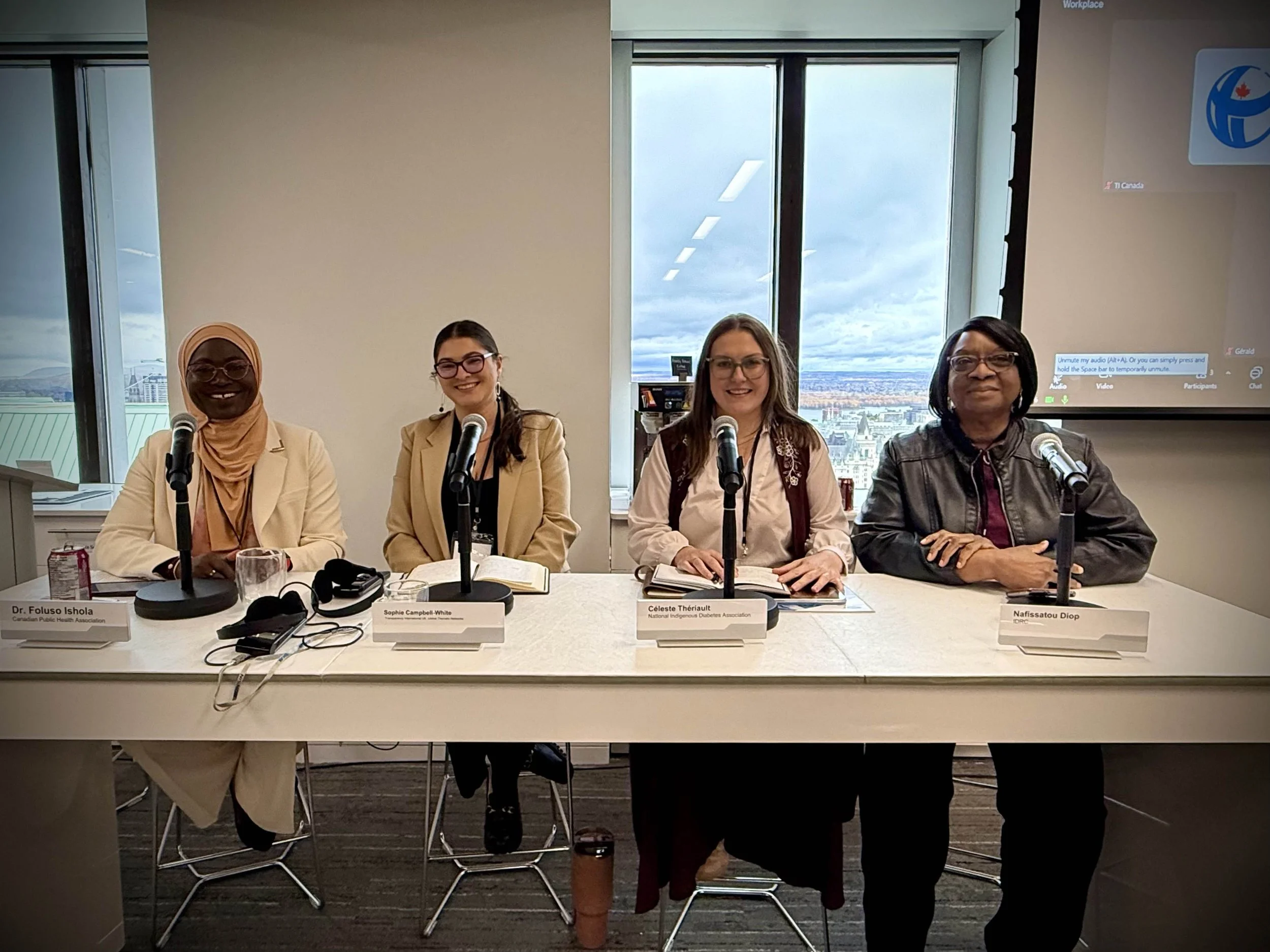
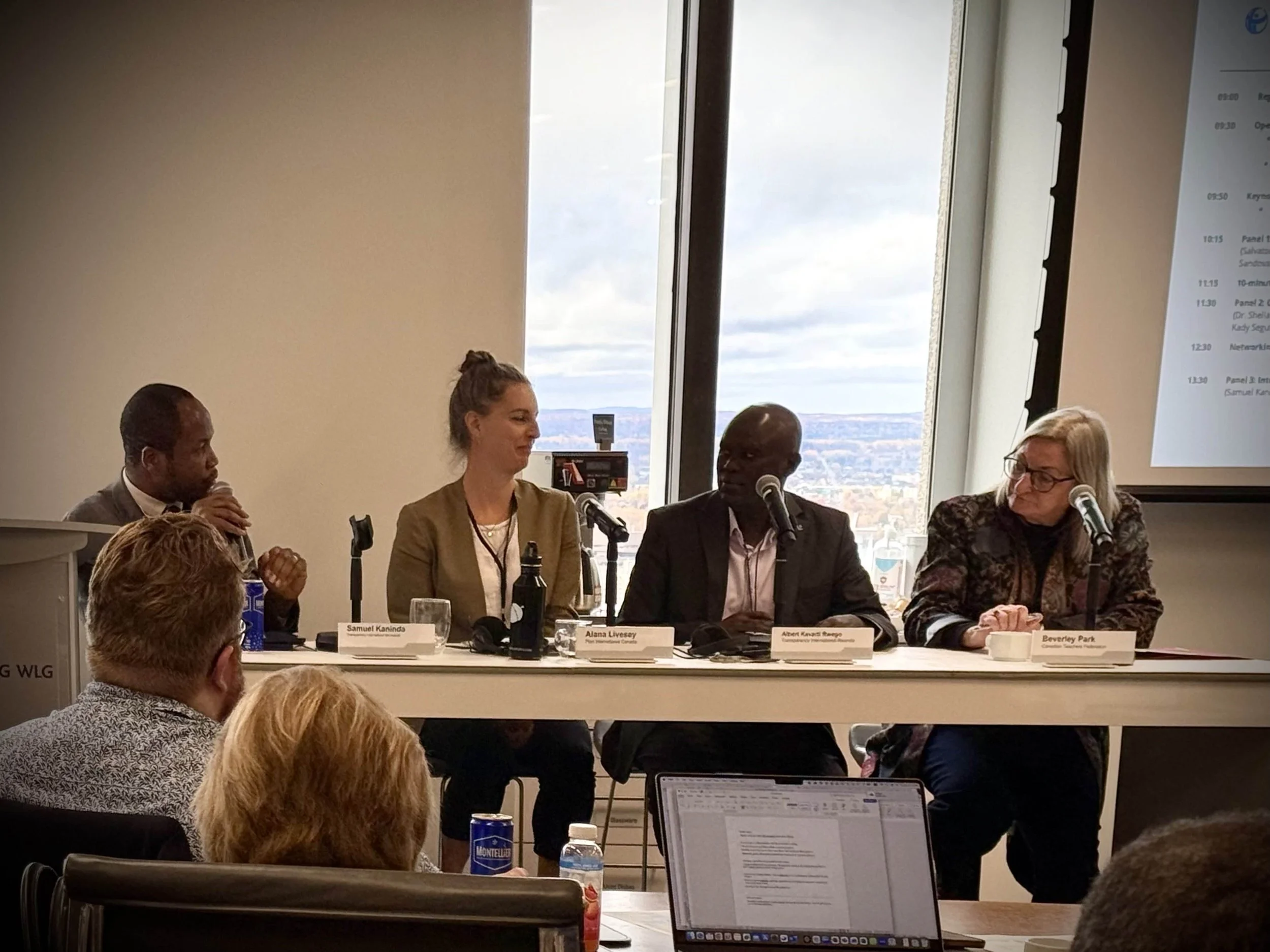
ISDA Meeting in Ottawa, October 24, 2025
Objectives
Through this project, Transparency International aims to improve access to education and healthcare services for women, girls, and other groups at risk of discrimination in Africa by addressing corruption-related barriers.
Transparency International Canada is contributing to the project in two ways:
Supporting TI Madagascar in conducting a study on the impact of gendered social norms on access to services.
Sharing the project’s learnings with Canadian civil society organizations working with groups at risk of discrimination, to share anti-corruption as an approach to anti-discrimination work.
Webinars
March 5 - Access to Health
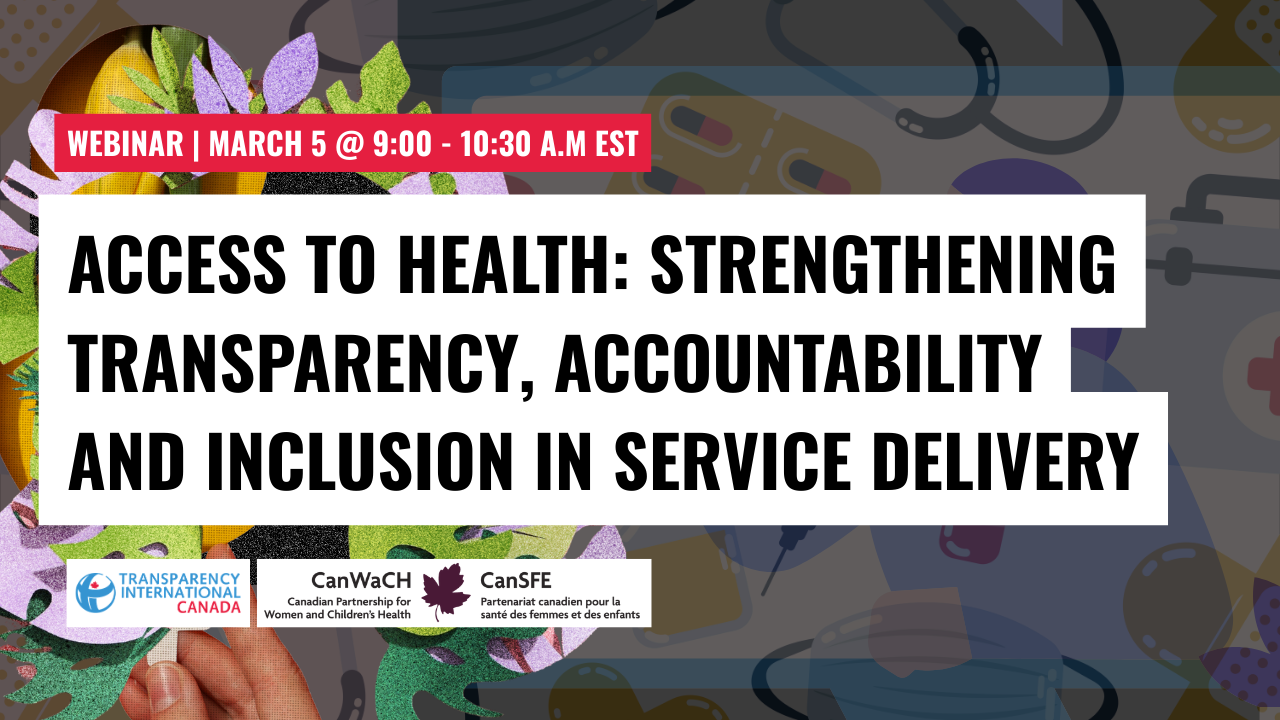
Combined English/French Webinar footage for Access to Health on March 5, 2026.
Key takeaways
-
If accountability systems are weak, then we are more likely to see the emergence of informal payments, resource diversion, and unequal access to services that disproportionately affect women and marginalized communities. These challenges are further intensified and quite complex in situations where health systems operate with extremely limited resource capacity, including insufficient funding to pay health providers for their services.
-
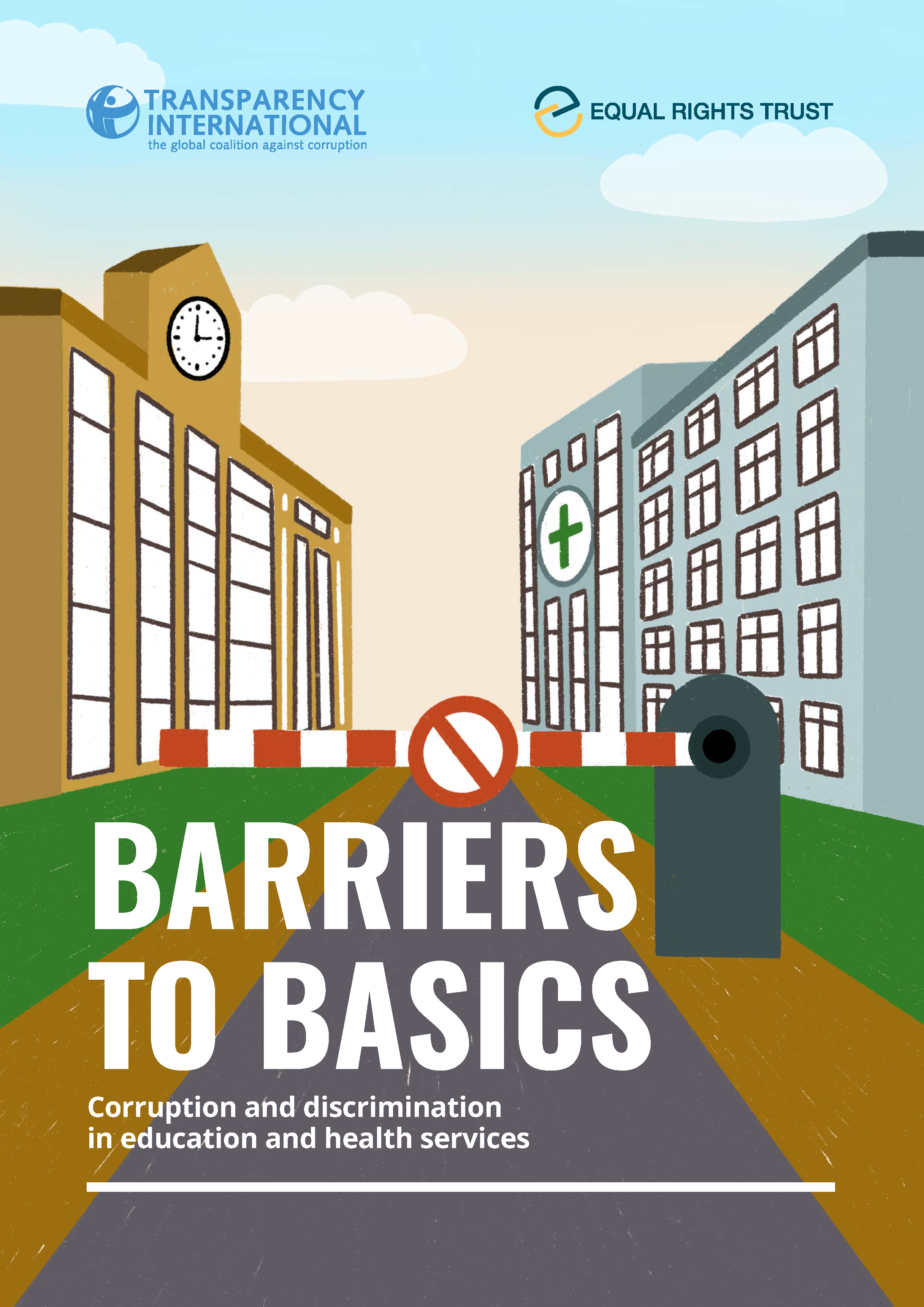
Social expectations, stigma, and restrictions on women’s mobility or decision-making can and do prevent women and girls from accessing essential services such as sexual and reproductive health care.
-
Transparent and well-governed data systems help governments and partners identify gaps in service delivery, address corruption risks, and ensure health programs respond to real community needs.
-
Successful initiatives must involve women and girls directly in identifying barriers and shaping solutions, creating more responsive and equitable health systems.
-
Strengthening health systems requires sustained collaboration between governments, civil society, and international partners rather than short-term project cycles.

inclusive service delivery africa (ISDA)
Lessons from the field
Background: Zimbabwe | Tanner Marquis, Unsplash
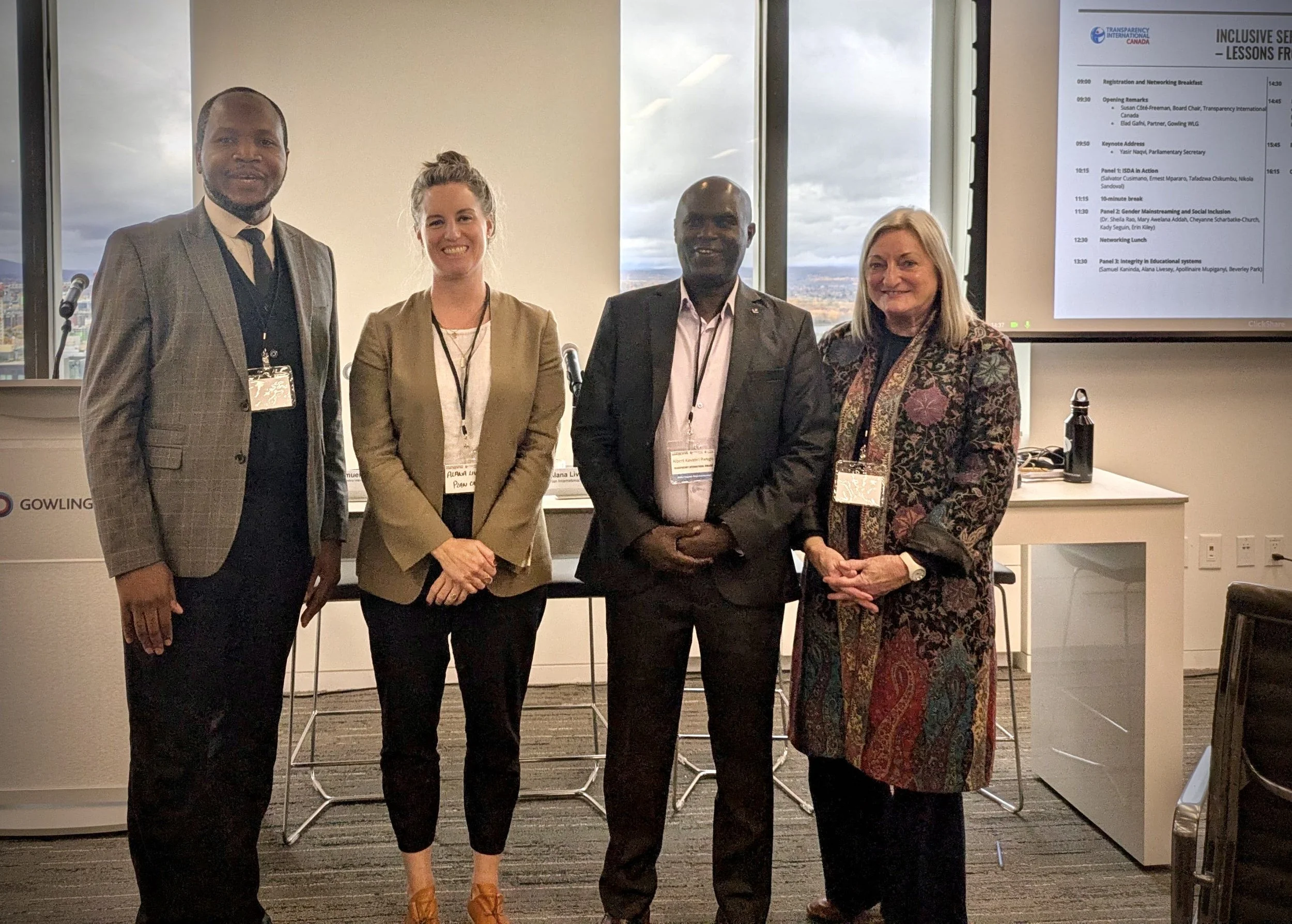
October 23, 2025 - Ottawa
-
Official Agenda
Check out the official ISDA Conference Agenda for October 23, 2025
-
The Speakers
Check out our list of speakers for the Conference
-
Post Conference Recap
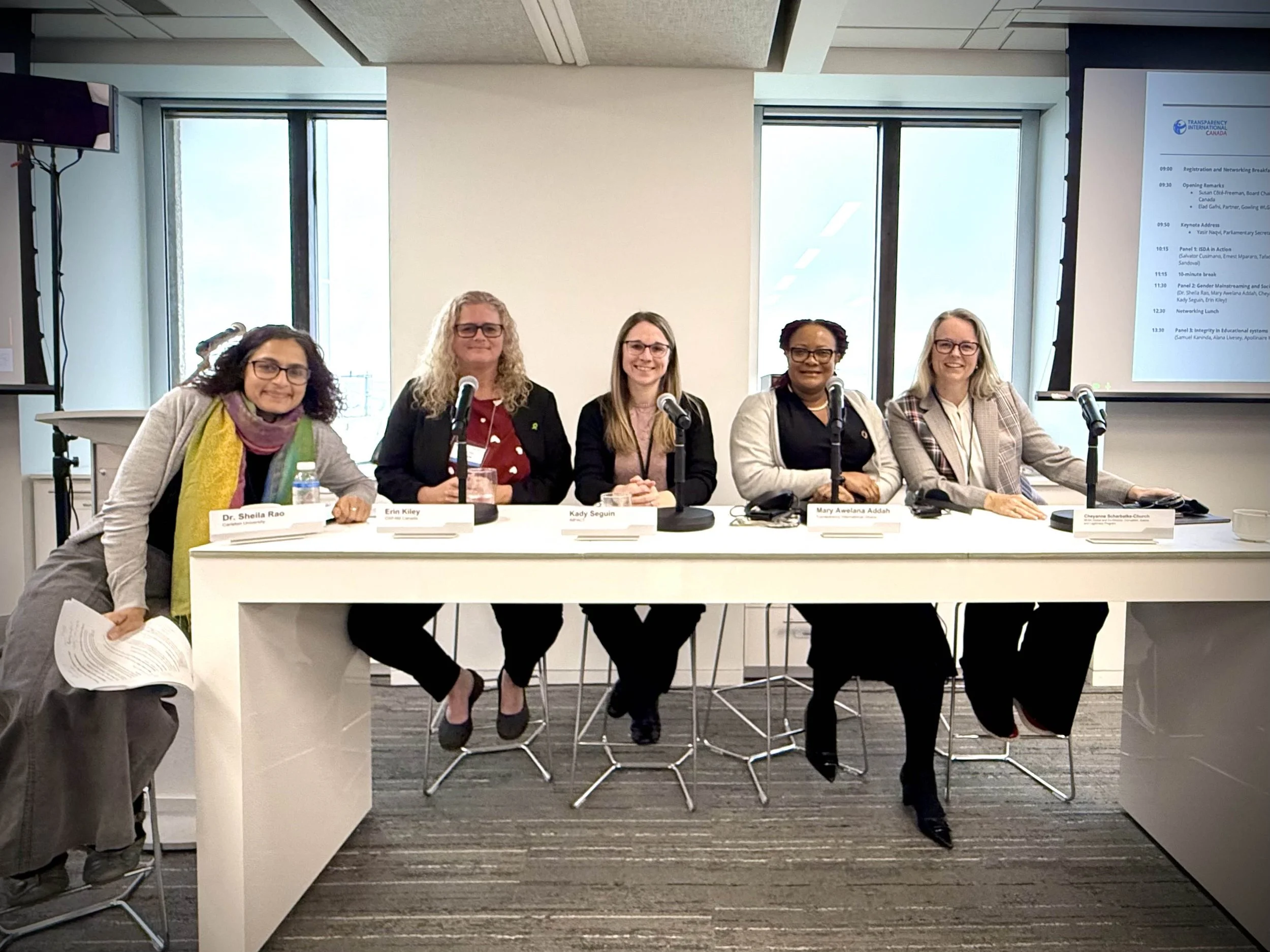
Check out our recap from the Conference! Includes panels, pictures, and speeches.